
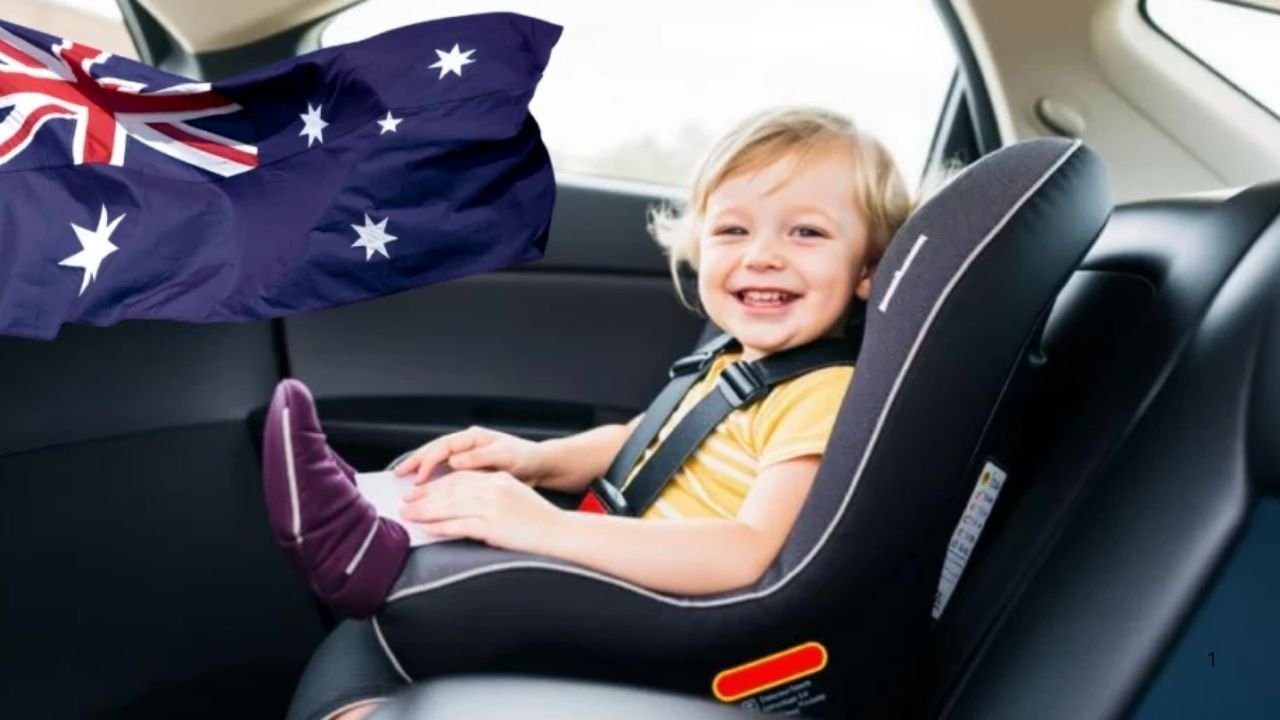
A major new child safety rule will take effect across Australia from 23 November 2025, and thousands of drivers could be caught out. Under the updated law, anyone transporting a child can be fined $550 if a car seat is installed incorrectly — even if the mistake was unintentional. With child seat misuse still common, authorities say the rule aims to reduce preventable injuries and ensure every child travels safely.
What the New Law Requires
Key Rules Drivers Must Follow
From 23 November, all child restraints must be:
- Installed exactly as instructed by the manufacturer
- Secured using the correct anchorage points
- Fitted with harness straps that are tight and properly positioned
- Compliant with Australian Standard AS/NZS 1754
- Appropriate for the child’s age, height and weight

Using expired seats, missing labels, or choosing the wrong seat type will also count as a breach under the new regulation.
Why Enforcement Is Being Tightened
Authorities say a high percentage of car seats checked during roadside inspections are still fitted incorrectly. Even small installation errors can significantly increase the risk of serious injury during a crash. The stricter penalty aims to:
- Reduce misuse of child seats
- Boost the use of certified fitting services
- Encourage parents to check their child’s seat regularly
- Improve safety outcomes for infants and young children
Road safety experts emphasise that even the best car seat cannot protect a child if it is installed incorrectly.
What to Expect After 23 November 2025
Increased Checks and On-the-Spot Fines

Drivers should be prepared for:
- More inspections: Transport authorities will run more roadside checks and community fitting events.
- Immediate penalties: The $550 fine can be issued even for accidental mistakes or minor errors.
- Higher demand for fitters: Accredited fitting stations may be busier as families seek professional help.
- Awareness programs: Government agencies will roll out education campaigns ahead of enforcement.
How Parents and Caregivers Can Prepare
Simple Steps to Avoid the $550 Penalty
To stay compliant:
- Read and follow the full installation guide for your child restraint
- Have your seat checked by a certified child restraint fitter
- Replace outdated, damaged or missing-label seats
- Match the seat to your child’s size — not just their age
- Inform grandparents, babysitters and friends who may drive your child
Many parents assume their installation is correct, but experts warn that unnoticed errors are extremely common.
Why This Law Matters

Correct installation can be life-saving in the event of a crash. The updated rule makes it clear that child safety starts before the engine turns on, and every adult who drives with a child is responsible for ensuring the seat is fitted properly.
With the new $550 fines beginning on 23 November 2025, now is the ideal time for families to double-check their setup. A quick inspection — or a visit to a professional fitter — can prevent costly penalties and offer peace of mind knowing your child is protected.
FAQs
What is the fine for incorrect child car seat installation?
The penalty is $550, issued if a child restraint is fitted incorrectly or used improperly.
Does the fine apply to grandparents or friends driving the child?
Yes. Anyone transporting a child must comply with the rules, regardless of relationship.
What counts as incorrect installation?
Loose straps, wrong anchorage points, expired seats, damaged restraints or using an unsuitable seat for the child.
Do all car seats need to meet Australian Standards?
Yes. All restraints must comply with AS/NZS 1754.
Should I get my child’s seat professionally fitted?
Authorities strongly recommend it, and many parents discover errors they were unaware of.
Conclusion
The new child car seat law sends a strong message: correct installation is essential for protecting young passengers. Before 23 November 2025, every parent and driver should check their child’s seat or seek a professional inspection. A few minutes of preparation can prevent a $550 fine — and most importantly, keep children safe on every journey.